Chicken Run Ideas Using Recycled Materials
Highlighted under: Comfort Classics
I love finding creative ways to recycle materials, and when it comes to building a chicken run, the possibilities are endless. We transformed everyday items into a delightful and functional space for our chickens. From old pallets to wire fencing, we used a mix of what we already had at home to create a safe haven for our feathered friends. This not only saved us money but also helped the environment by repurposing materials that would otherwise go to waste. Let me share these innovative ideas with you!
Building a chicken run can be a fun and rewarding project, especially when you’re using recycled materials. I remember the excitement I felt when we decided to bypass traditional building supplies and instead looked around our home for what we could use. From an old garden gate to scraps of wood, every item we chose served a purpose while helping us create a rustic look that blended seamlessly with our garden.
One tip I found particularly helpful was to use sturdy materials that can withstand weather elements, such as metal fencing from an old dog pen. Combining different textures allowed our run to have character while ensuring it was safe for our chickens. If you’re considering similar projects, I highly recommend exploring your local recycling center for even more ideas!
Why You'll Love These Ideas
- Eco-friendly approach that saves money
- Unique designs that stand out in your garden
- Fun and rewarding DIY project for all ages
Maximizing Material Use
When using recycled materials for your chicken run, it's essential to maximize their utility. For instance, old pallets can be dismantled and repurposed into walls, nesting boxes, or even the flooring of your chicken run. Make sure to inspect the wood for any signs of rot or pest infestation. If you find any questionable areas, consider treating them with a safe wood preservative to ensure longevity and safety for your chickens.
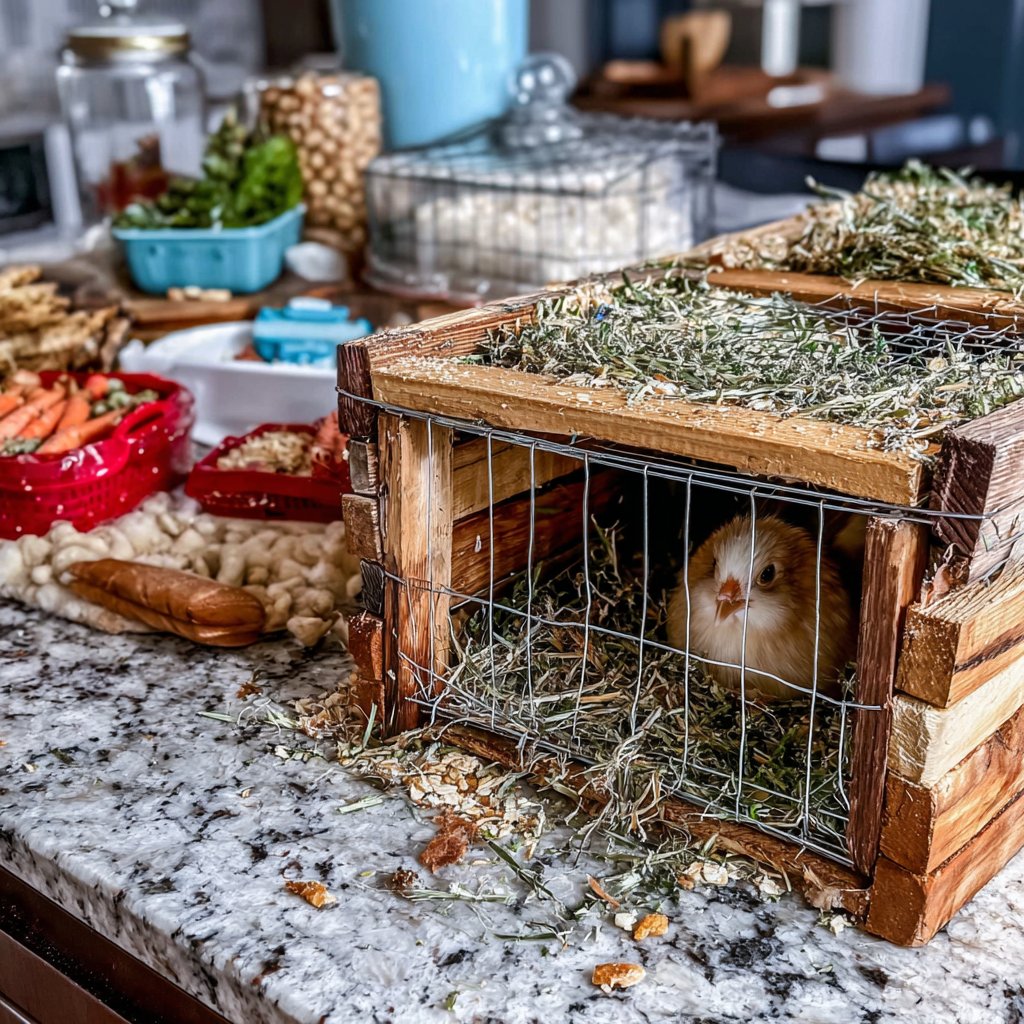
Additionally, wooden crates can serve multiple purposes. They can be stacked to create shaded areas for the chickens or used as nesting boxes. By varying the height and layout of your crates, you can offer your chickens climbing opportunities, which keeps them active and engaged. Always remember to label each crate and design area according to their function, ensuring that everything remains organized and accessible.
Safety Precautions
Safety is paramount when designing your chicken run. Before you finalize your build, ensure that all materials, especially wire fencing, fit snugly into place to prevent any gaps. Chickens are curious creatures, and they can easily squeeze through openings that are even slightly larger than their heads. Regularly check and maintain the fencing, especially after storms or strong winds that might dislodge sections.
Consider also adding a secure latch system on any gates. A simple latch can be a weak point if not positioned correctly; adding a padlock can provide an extra layer of security. Additionally, be cautious about sharp edges on wood or metal; sanding down rough areas will not only make the environment safer for your chickens but also help prevent injuries during their daily activities.
Materials You'll Need
Recycled Materials
- Old pallets
- Chicken wire or fencing
- Wooden crates
- Garden gates
- Large plastic containers
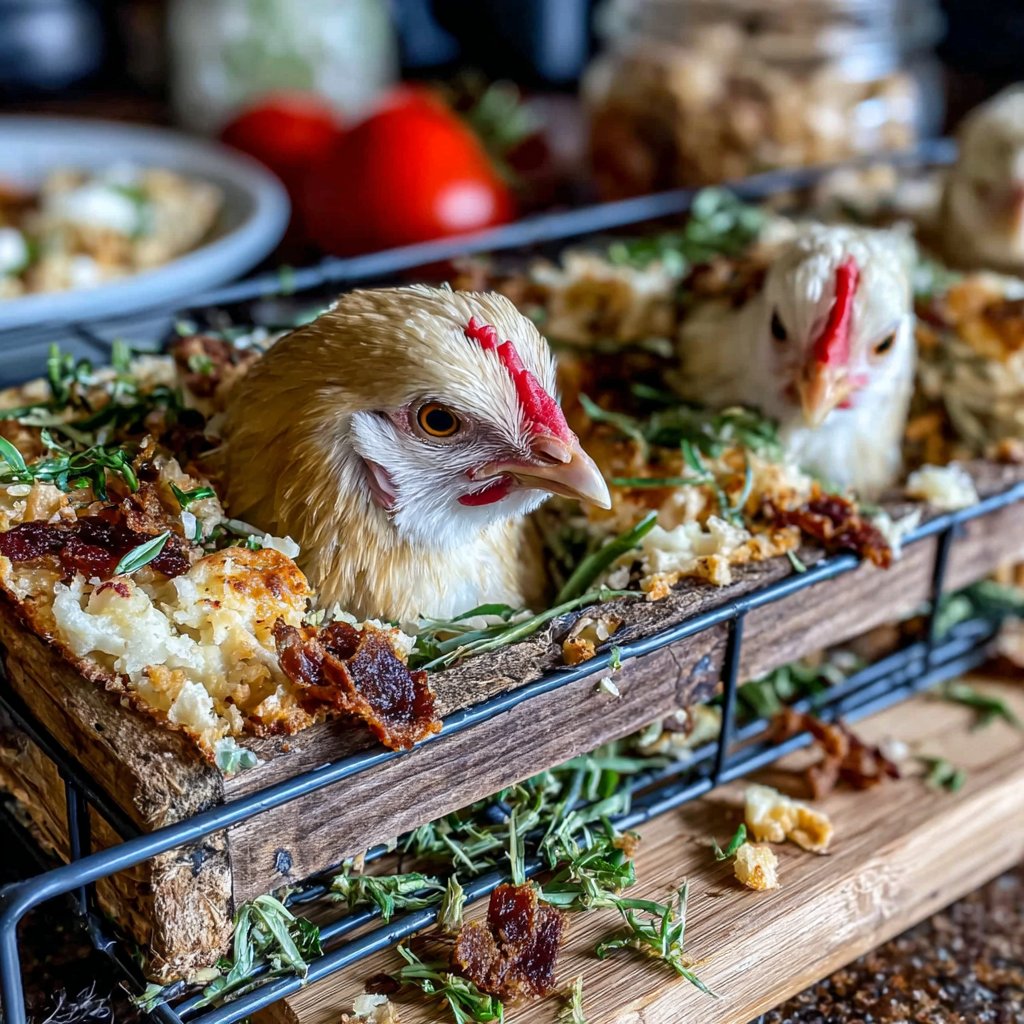
Steps to Create Your Chicken Run
Gather Your Materials
Collect all the recycled materials you plan to use for the chicken run and clean them thoroughly to ensure they're safe for your chickens.
Design Your Layout
Sketch out a simple design for your chicken run, factoring in space and movement for your chickens. This helps in organizing your materials accordingly.
Assemble the Frame
Utilize old pallets or wooden crates to form the frame of your chicken run. Secure them in place with nails or screws for stability.
Install Fencing
Attach chicken wire or any fencing material you have on hand to protect your chickens from predators. Make sure it's taut and secure.
Add Finishing Touches
Consider adding a roof if you live in an area with predators, and make your run more inviting by decorating with plants or decorations made from recycled materials.
Pro Tips
- When selecting materials, prioritize safety and durability. Avoid using anything that could potentially harm your chickens, such as treated wood or sharp metals.
Seasonal Upgrades
As seasons change, the needs of your chickens may shift as well. In the colder months, think about insulating your chicken run. Old blankets or tarps can be hung along the outside to provide windbreaks or cover sections that might get drafty. Just ensure that these materials are securely fastened to avoid becoming flying hazards in strong winds.
In warmer months, consider incorporating shade solutions using large plastic containers or repositioning crates to create shaded areas. Planting fast-growing vines around the chicken run or on trellises can also provide natural shade and keep things cooler for your chickens. Monitoring temperature and adjusting your setup will keep your flock happy and healthy.
Engaging Your Chickens
Engagement is key to a happy chicken. Incorporating creative designs, like ramps made from slats or hanging treats from overhead, can stimulate interaction. Chickens love to peck and scratch, so leaving areas of loose soil or straw will provide them with natural behaviors to express. You might find your chickens busily digging or dust-bathing in their environment, which is vital for their wellbeing.
Also, consider various feeding stations strategically placed around the run to encourage movement. This not only keeps feeding times interesting but also promotes physical activity. Rotating these stations regularly can help in reducing territorial behavior among your flock, making for a more harmonious setup.
Questions About Recipes
→ How can I ensure my chicken run is safe from predators?
Make sure to use strong fencing, bury it at least 12 inches underground, and cover the top if possible to prevent birds of prey.
→ What size should my chicken run be?
A good rule of thumb is to allow at least 10 square feet per chicken to give them plenty of space to roam.
→ Can I use any recycled materials?
Not all recycled materials are safe for chickens. Avoid using items like treated wood or anything that may have sharp edges.
→ How long will it take to build a chicken run?
Depending on the size and complexity of your design, it can take anywhere from a couple of hours to a full day.
Chicken Run Ideas Using Recycled Materials
Created by: Stella Cameron
Recipe Type: Comfort Classics
Skill Level: Beginner
Final Quantity: Varies
What You'll Need
Recycled Materials
- Old pallets
- Chicken wire or fencing
- Wooden crates
- Garden gates
- Large plastic containers
How-To Steps
Collect all the recycled materials you plan to use for the chicken run and clean them thoroughly to ensure they're safe for your chickens.
Sketch out a simple design for your chicken run, factoring in space and movement for your chickens. This helps in organizing your materials accordingly.
Utilize old pallets or wooden crates to form the frame of your chicken run. Secure them in place with nails or screws for stability.
Attach chicken wire or any fencing material you have on hand to protect your chickens from predators. Make sure it's taut and secure.
Consider adding a roof if you live in an area with predators, and make your run more inviting by decorating with plants or decorations made from recycled materials.
Extra Tips
- When selecting materials, prioritize safety and durability. Avoid using anything that could potentially harm your chickens, such as treated wood or sharp metals.
Nutritional Breakdown (Per Serving)
- Calories: 0 kcal